Free delivery
Upto Order of Rs 999

When the world was still learning the language of perfume, Kannauj had already mastered it.

Often called the “Perfume Capital of India ”, "Ittar Nagri"Kannauj is the beating heart of India’s natural fragrance industry. Its attar-making tradition is one of the oldest in the world, spanning over 3,000 years, and surviving through dynasties, cultures, and continents.
If you want to experience authentic Kannauj attar or explore India’s finest natural fragrances, visit IttarNagri — a trusted store preserving this ancient craft.
Long before perfumes became a luxury, scent in India was spiritual. Ancient Vedic texts describe the use of aromatic resins, flowers, and woods during rituals. It is believed that early forms of attar—simple oils infused with natural essences—were offered to deities and used for healing.

Kannauj, with its fertile plains and aromatic flora, became the natural birthplace of this craft.
Long before modern perfumes existed, ancient India used fragrant herbs, oils, and flowers for rituals and healing. References to scented oils appear in:
Vedic scriptures
Ayurvedic medicinal texts
Early royal records

Because of its rich soil and aromatic flora, Kannauj naturally evolved into a center for fragrance distillation. By the time of the Mahabharata, perfumers of Kannauj — known as Gandhikas — were already producing scented oils for royalty.
The true blossoming of attar in Kannauj happened under the Mughal Empire. Akbar’s passion for fragrances elevated Kannauj’s artisans to royal status.
However, the biggest revolution came from Empress Noor Jahan.
A famous legend narrates how she noticed the fragrant oil floating on rose water during her bath. Enchanted by its scent, she ordered Kannauj perfumers to extract the essence.

Thus emerged the iconic Ruh Gulab (Rose Attar) — still one of Kannauj’s most celebrated creations.
One of Kannauj’s most magical inventions is Mitti Attar, also known as the fragrance of first rain. Crafted about 180 years ago, this attar captures the earthy aroma released when monsoon rain touches dry soil.
How it's made:
Clay from riverbanks is sun-baked by local potters
The clay is broken and distilled in copper vessels
The essence is slowly infused into sandalwood oil
If you want to smell real Mitti Attar, you can explore the collection at IttarNagri — one of the rare suppliers of authentic, traditionally distilled varieties.
Kannauj is one of the few places on Earth where perfumers still use the ancient Deg-Bhapka distillation method:
Copper Degs (boilers) are filled with flowers or herbs
A Bamboo Chunga (pipe) connects to a cooling receiver
Firewood heats the deg
The artisan controls the temperature manually
Every drop of attar is collected slowly into sandalwood oil
No chemicals.
No alcohol.
No modern machinery.
Just pure tradition.
During British rule, traders exported Kannauj attar to Europe and the Middle East. Its alcohol-free and long-lasting nature made it stand out in global markets.
“Kannauj Attar” soon became a recognized identity — respected worldwide.
With the rise of synthetic perfumes in the late 1900s, the attar industry struggled. But the world is now returning to natural, chemical-free fragrances, and this has sparked a revival of Kannauj’s attar market.
Platforms like IttarNagri are playing a key role in bringing authentic Kannauj fragrances back into global demand.
What makes Kannauj attar the finest in the world?
Uses pure sandalwood oil as base
Made using centuries-old methods
Distilled from natural flowers, herbs, and resins
Crafted by artisans with generational expertise
Free from alcohol, additives, and synthetic chemicals
A Kannauj attar is not merely a fragrance; it is a piece of heritage in a bottle.
Some of the most iconic attars include:
Ruh Gulab
Kewda Attar
Hina Attar
Khus (Vetiver) Attar
Musk Blend
Oud Attar
Mitti Attar
You can explore these traditional fragrances at IttarNagri — your authentic source for natural attars.
In Kannauj, attar is not a business.
It is a legacy passed down from ancestor to apprentice.
To inhale a Kannauj attar is to inhale:
the monsoon rains,
the Mughal courts,
the ancient Vedic fires,
the soil,
the culture,
and the spirit of India.
Kannauj doesn’t just make perfume —
it makes history smell beautiful.
visit us to get more details @ www.ittarnagri.com

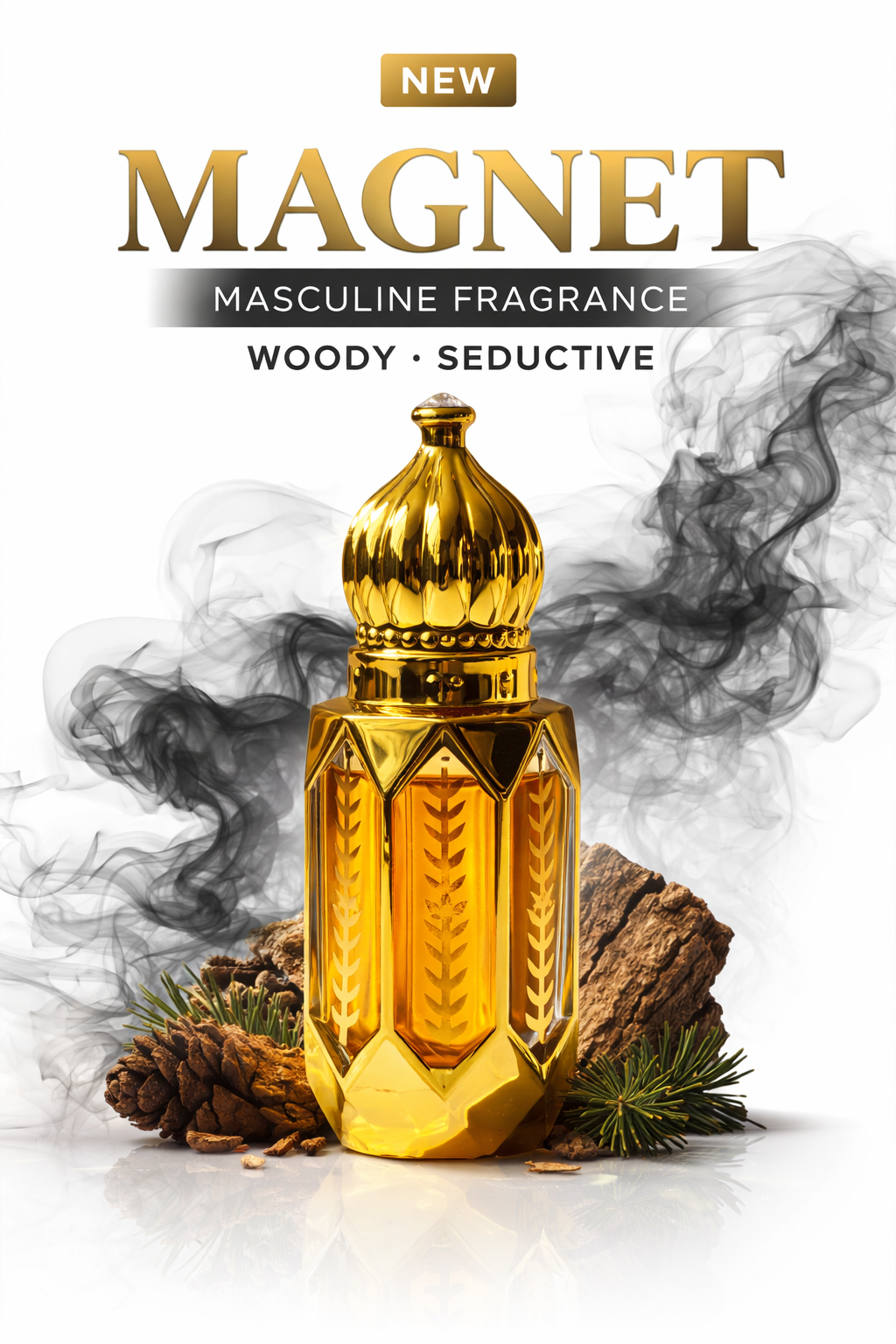
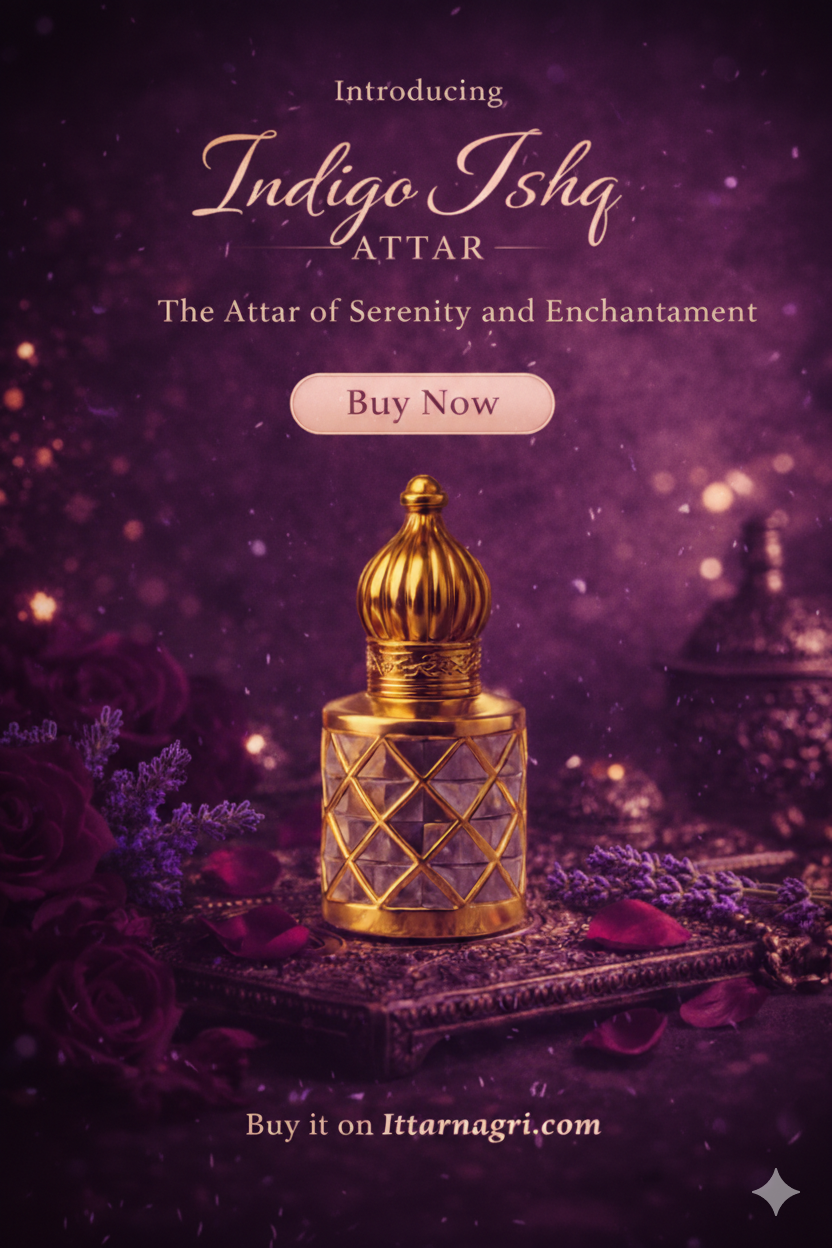
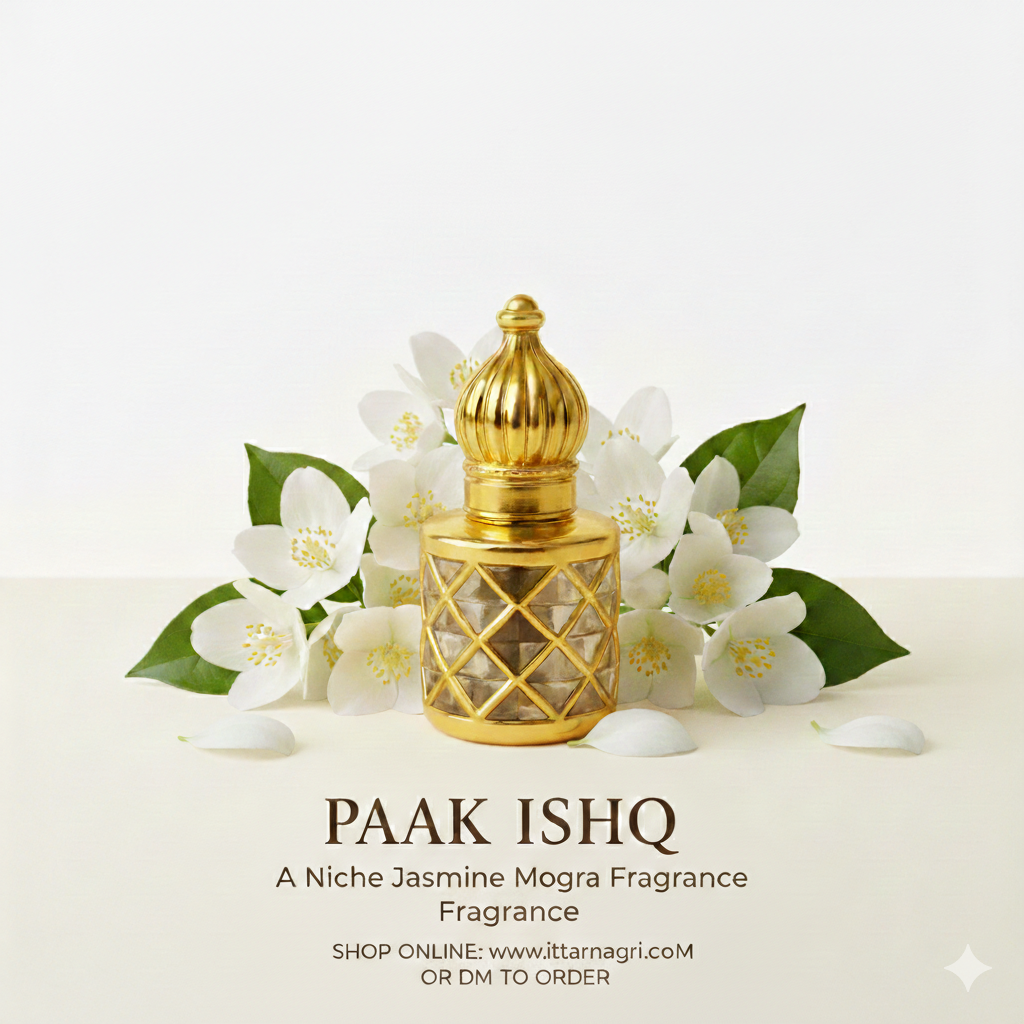
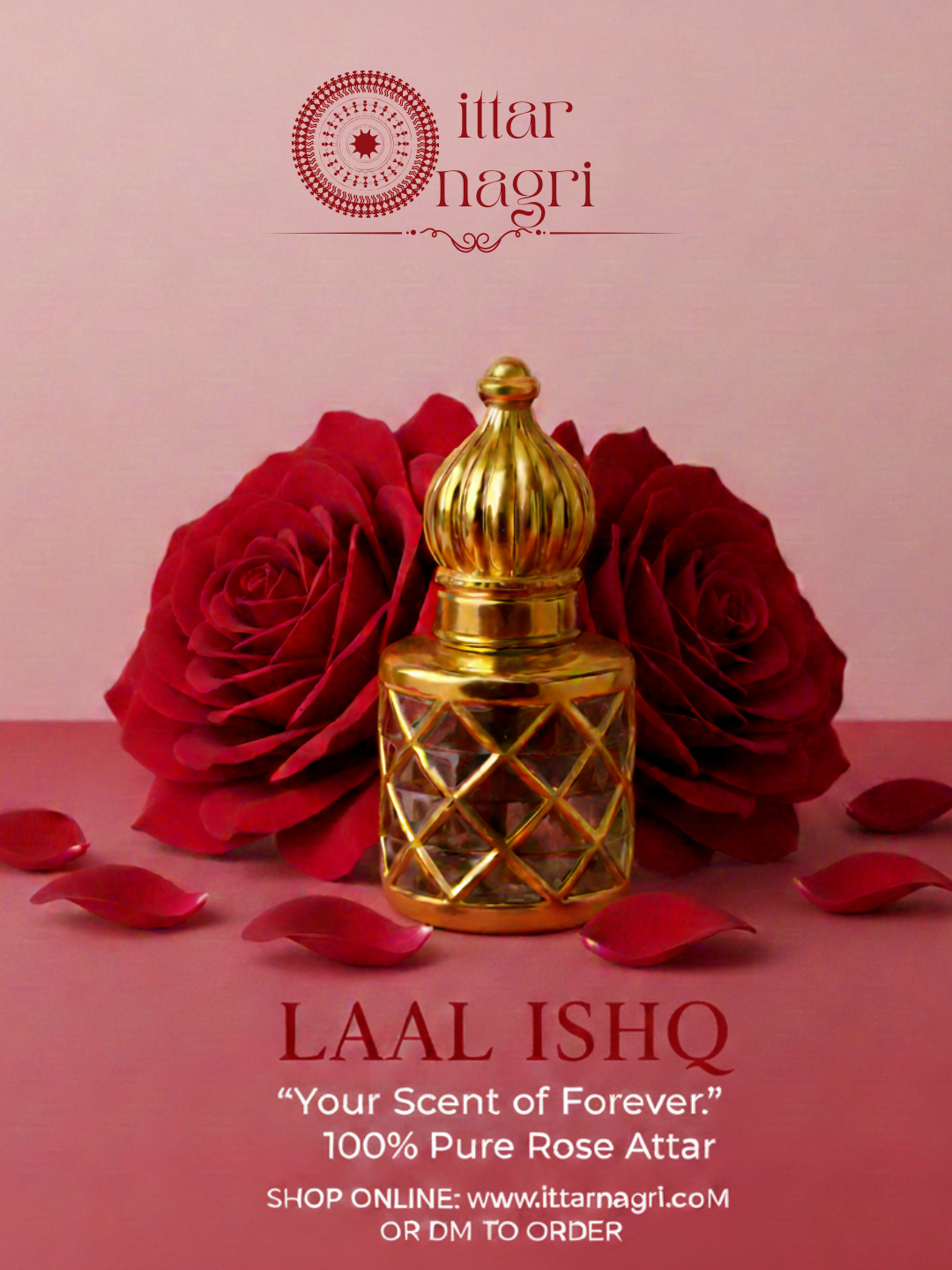
$61.000 $92.899
Sold: 57
Available: 72
$56.500 $87.000
Sold: 57
Available: 72
$28.000 $50.000
Sold: 57
Available: 72
$34.200 $45.990
Sold: 57
Available: 72